

Counterfeit PPE

Buying motorcycle clothing: what the law says, what the labels mean, and how to avoid getting ripped off


As a motorcyclist, your clothing is your main protection from the road. It can make a major difference to comfort and, crucially, the severity of injuries if you crash.

Modern certified motorcycle clothing – including jackets, trousers, gloves and boots – is independently tested against recognised safety standards. There is also plenty of affordable gear that looks like everyday clothing, such as riding jeans and casual-style gloves.

This article explains what the law requires, what the safety labels mean, and how to avoid buying unsafe or uncertified kit.

The law

Since April 2018, motorcycle clothing has been regulated as a safety product under PPE Regulation (EU) 2016/425, alongside the equivalent UK framework. Jackets, trousers, suits, gloves and boots designed for motorcycling must be independently tested and certified. This also applies to garments with pockets or facilities for impact protectors, even if protectors are not supplied.

The responsibility lies with manufacturers, importers and sellers – not you. It is illegal to place uncertified motorcycle clothing on the market. However, unlike helmets, there is no legal requirement for riders to wear certified motorcycle clothing.

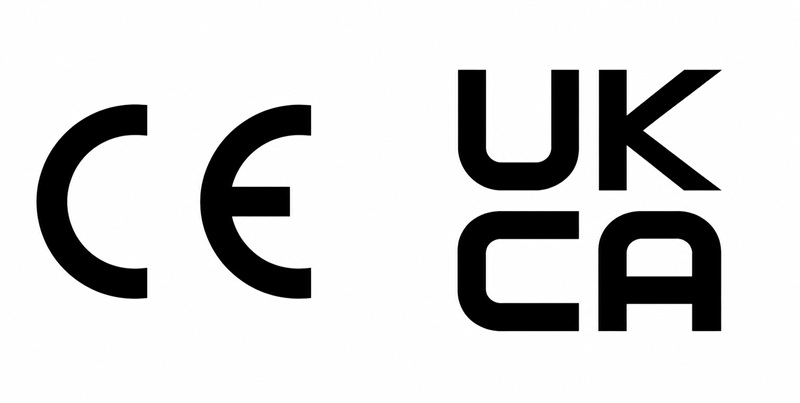
Certified clothing carries a CE mark, UKCA mark, or both. However, a mark alone does not prove certification. It should be backed by a valid EU or UKCA Type-Examination Certificate from an officially appointed body.
The standards

Standards for motorcycle clothing, gloves, footwear and impact protectors provide a way to compare the protection offered by different products:


Where to buy


High street and established retailers

Your local motorcycle shop or an established national retailer is generally the safest place to buy motorcycle clothing. You can check labels, try clothing on, read the instructions and ask questions before buying.

Online: the risks

Buying motorcycle clothing online requires extra care. Trading Standards investigations have found unsafe products, including fraudulent CE markings and protectors that fail safety tests. Rogue sellers can operate through social media and online marketplaces.

Some sellers have advertised the same products through numerous accounts, while fake motorcycle airbag vests have been removed from marketplaces only to reappear under different accounts.

Enforcement action has also resulted in recalls of unsafe, non-certified motorcycle clothing. The online marketplace remains a higher-risk environment.

Warning signs to look for

Be cautious when buying motorcycle clothing online if you see:

  • "CE Certified" but no certificate is provided.
  • "Designed following CE standards" – this does not mean the product is certified.
  • "Working on obtaining CE certification" – uncertified motorcycle clothing cannot legally be sold.
  • Sellers who block or delete you when you ask for certification.
  • Reviews that are disabled or overwhelmingly negative.
  • No UK business address or Companies House registration number.
  • Prices that seem too good to be true.
  • Fake-looking personal profiles promoting the product.
  • Unverifiable or suspiciously positive reviews.

Fake certificates: how to spot them

Some rogue sellers use fake certification documents. A genuine EU or UKCA Type-Examination Certificate should:

  • Be headed "EU Type-Examination Certificate" or "UKCA Type-Examination Certificate".
  • Reference PPE Regulation (EU) 2016/425 or the equivalent UK legislation.
  • Be valid for five years from the date of issue.
  • Be issued by an officially recognised body listed on the relevant database.
  • Clearly identify the certifying body's legal responsibility for the assessment.

Documents called "Certificate of Compliance" or "Certificate of Conformity" are not Type-Examination Certificates. If a seller cannot provide a genuine certificate, do not buy from them.

Safe online options

Some online retailers have had their certification documentation independently checked. Two examples are:

JTS Biker Clothing – a family-run Leicestershire business with a physical showroom and online store. Its current own-brand garments are CE-certified to relevant motorcycle clothing standards.

Texpeed – a UK-based brand offering motorcycle jackets, trousers, gloves and boots. Its products are tested by an independent laboratory and the website provides information about its CE testing.

Note: JTS Biker Clothing and Texpeed are included as examples of retailers whose certification documentation has been independently checked. This is not an endorsement, and neither company has paid or provided an inducement to be named.


The bottom line

Motorcycle clothing standards give you a way to compare products and make an informed choice. Higher-rated clothing and protectors generally provide greater protection than lower-rated alternatives.

The law requires sellers to ensure motorcycle clothing placed on the market is certified, but it does not require riders to wear it. Wearing certified clothing that fits correctly and is suitable for your type of riding can help reduce injury severity in a crash.

Buy from established retailers where possible. If buying online, ask for the EU or UKCA Type-Examination Certificate and check that it comes from a recognised certification body.

The right gear does not have to be expensive. It does have to be certified.


Scroll to top